Month: November 2025

on

Nel 2026 il mercato italiano delle scommesse sportive online è più maturo e frammentato che mai. Da un lato, l’Agenzia delle Dogane e dei Monopoli (ex AAMS) garantisce una rete di operatori regolamentati, con licenza italiana, protezione del giocatore e obblighi di trasparenza. Dall’altro, i cosiddetti siti non‑AAMS, spesso con licenze offshore (Malta, Curacao, UKGC), offrono quote più competitive, bonus più generosi e una varietà di mercati che i bookmaker tradizionali non coprono.

Parallelamente, la diffusione delle app mobile ha trasformato il modo di scommettere: la maggior parte degli utenti ora piazza le proprie puntate direttamente dallo smartphone, sfruttando streaming live, cash‑out istantaneo e notifiche push per le quote “flash”. I bonus di benvenuto, che in passato erano semplici offerte di deposito, sono diventati pacchetti complessi con turnover, quote minime e scadenze stringenti.

Questo articolo guida il lettore attraverso tre tappe fondamentali. Prima, imparerà a valutare la sicurezza e l’affidabilità di un sito di scommesse non‑AAMS, analizzando licenze, crittografia e reputazione. Poi, scoprirà come confrontare le offerte di benvenuto e i bonus di deposito, risparmiando tempo grazie a liste curate. Infine, verranno illustrate le tecniche più avanzate: sistemi di roulette applicati al betting, gestione del bankroll con modelli matematici, analisi statistica per individuare value bet e l’uso strategico delle app mobile. La combinazione di una scelta oculata del bookmaker e di una strategia disciplinata è la chiave per trasformare il divertimento in profitto sostenibile.

Come valutare la sicurezza e l’affidabilità di un sito di scommesse non‑AAMS

Le licenze internazionali rappresentano il primo filtro di sicurezza. Un operatore con autorizzazione da Malta Gaming Authority (MGA) o UK Gambling Commission (UKGC) è soggetto a controlli periodici su solvibilità, fair play e protezione dei dati. Le licenze di Curacao, sebbene più flessibili, richiedono comunque una verifica della società madre e dei termini di servizio.

Dal punto di vista tecnico, la crittografia SSL a 256 bit è ormai lo standard; verifica la presenza del lucchetto verde nella barra degli indirizzi e controlla che il certificato sia emesso da una CA riconosciuta. Alcuni bookmaker commissionano audit di terze parti (eCOGRA, iTech Labs) per dimostrare l’equità dei giochi e la correttezza dei payout.

La reputazione tra i giocatori è un indicatore pratico. Forum come ScommesseItalia, Reddit r/scommesse e gruppi Telegram offrono feedback su tempi di prelievo, assistenza clienti e pratiche di gioco. Un operatore che rispetta i prelievi entro 24‑48 ore e risponde entro pochi minuti alle richieste di chat è generalmente più affidabile.

Suggerimento: controlla sempre l’indirizzo IP del server del sito; un IP situato in una giurisdizione con leggi sul gioco rigide (es. Regno Unito) riduce il rischio di chiusure improvvise.

Fattore Verifica consigliata Impatto sulla sicurezza
Licenza Controlla il numero di licenza sul sito del regolatore Alta
SSL Lucchetto verde + certificato valido Media
Audit Rapporto eCOGRA disponibile Media
Recensioni Forum e social media Bassa‑Media
IP del server Whois o tool di geolocalizzazione Alta

Confrontare le offerte di benvenuto e i bonus di deposito: perché una lista curata fa risparmiare tempo

I bonus di benvenuto si declinano in diverse forme. Il più comune è il “deposit match”, dove il bookmaker raddoppia il primo deposito fino a una soglia (es. 100 €). Altri operatori propongono free bet di valore fisso (es. 20 €) o cashback sul turnover della prima settimana.

Le condizioni di sblocco sono spesso la trappola. Il turnover può variare da 5x a 30x l’importo del bonus, con quote minime obbligatorie (es. 1.70) e scadenze di 30 giorni. Alcuni bonus richiedono anche l’utilizzo di mercati specifici (es. scommesse su eventi live). Leggere attentamente le clausole nascoste è fondamentale per valutare il valore reale.

Per velocizzare il processo, molti scommettitori si affidano a classifiche aggiornate. La classifica dei migliori siti scommesse non aams raccoglie in un unico punto le promozioni più vantaggiose, la sicurezza dei server e la reputazione dei bookmaker, consentendo di passare direttamente alla scelta del partner più redditizio senza dover setacciare ogni singolo sito.

In pratica, confrontare le offerte richiede tre passaggi: (1) annotare il valore nominale del bonus, (2) calcolare il turnover richiesto (valore × fattore), (3) verificare le quote minime e le scadenze. Se il risultato è un “costo opportunità” inferiore al 5 % del deposito, il bonus è considerato conveniente.

Analisi dei mercati più redditizi: calcio, e‑sports e sport di nicchia

Il calcio rimane il re delle scommesse, ma le quote medie variano notevolmente tra i bookmaker. Per la Premier League, le quote di vittoria per le squadre top oscillano tra 1.30 e 1.60, mentre per la Serie A le quote per il risultato “draw” si aggirano intorno a 3.20. Analizzando la distribuzione delle quote, è possibile individuare differenze di 0.05‑0.10 che, moltiplicate su grandi volumi, generano profitto.

Gli e‑sports hanno registrato una crescita del 45 % nel 2025. Titoli come CS:GO e League of Legends offrono mercati “map winner”, “first blood” e “total rounds”. Le quote sono spesso più alte rispetto al calcio tradizionale, soprattutto nei tornei minori, dove la liquidità è limitata e i bookmaker tendono a sottovalutare le probabilità.

Gli sport di nicchia rappresentano un’alternativa per diversificare il portafoglio. La pallacanestro femminile, ad esempio, presenta quote di vittoria per le squadre top intorno a 1.40, ma la volatilità è più contenuta grazie a un minor numero di scommettitori. Il cricket, specialmente nei formati T20, offre mercati “top batsman” e “total runs” con quote che superano il 5.00 per eventi specifici.

Segreto del settore: i mercati meno coperti, come le leghe minori di calcio o gli sport emergenti, tendono a presentare quote più alte e una concorrenza ridotta, creando opportunità di value bet per chi dispone di dati accurati.

I sistemi di roulette applicati alle scommesse sportive: teoria e pratica

I sistemi di roulette, nati per gestire la casualità del tavolo, sono stati adattati al betting con risultati disomogenei. Il Martingale, per esempio, prevede il raddoppio della puntata dopo ogni perdita fino a ottenere una vincita pari alla puntata iniziale. In teoria, su un mercato a quota fissa (es. 2.00) una sequenza di tre perdite richiede una puntata di 8 € per recuperare le 7 € perse più 1 € di profitto.

Il Fibonacci utilizza la sequenza 1‑1‑2‑3‑5‑8‑…; la puntata successiva è la somma delle due precedenti, riducendo il rischio di escalation rapida rispetto al Martingale. Il Labouchère, invece, richiede di segnare una sequenza di numeri (es. 1‑2‑3) e di puntare la somma dei primi e ultimi; dopo una vincita si cancellano i numeri, dopo una perdita si aggiunge la puntata alla fine della lista.

Applicare questi schemi al betting richiede cautela. I limiti di puntata dei bookmaker (spesso 500 € per scommessa) e il bankroll disponibile impongono un tetto alla progressione. Inoltre, la volatilità è più alta nei mercati “high odds” (es. 5.00), dove una singola perdita può erodere rapidamente il capitale.

Consiglio esperto: utilizza le progressioni solo su mercati a bassa varianza, come le scommesse a quota fissa su risultati “draw” (quota 3.20‑3.30). Qui la probabilità di perdita è più prevedibile e il rischio di bustare il bankroll è contenuto.

Gestione del bankroll: modelli matematici e regole d’oro

Il primo passo è stabilire la dimensione ottimale della puntata. Il Kelly Criterion suggerisce di scommettere una frazione del bankroll pari a (bp‑q)/b, dove b è la quota, p la probabilità stimata e q = 1‑p. Se la probabilità di vittoria è 55 % su una quota di 2.00, la puntata Kelly è (2·0,55‑0,45)/2 = 0,30, ovvero il 30 % del bankroll. Molti scommettitori preferiscono una “Kelly frazionata” (½ Kelly) per ridurre la volatilità.

Il flat betting è l’alternativa più semplice: una puntata fissa (es. 2 % del bankroll) su ogni evento, indipendentemente dalla quota. Questo metodo rende più facile gestire le fluttuazioni stagionali, ad esempio durante i mesi di trasferimenti di mercato calcistico, quando le quote possono diventare più imprevedibili.

Strumenti digitali facilitano il monitoraggio. App come BetTracker o fogli di calcolo avanzati con macro consentono di registrare ogni scommessa, calcolare il ROI e visualizzare il trend del bankroll nel tempo.

Pro e Contro:
– Pro: controllo rigoroso del rischio, capacità di adattarsi a periodi di perdita prolungata.
– Contro: richiede disciplina costante, può limitare il potenziale di profitto se la percentuale di puntata è troppo bassa.

Sfruttare i bonus di ricarica e le promozioni ricorrenti per aumentare il valore medio delle scommesse

I bonus di ricarica sono offerte periodiche (settimanali o mensili) che restituiscono una percentuale del deposito (es. 20 % fino a 100 €) o forniscono free bet. La tempistica è cruciale: utilizzare un bonus di ricarica subito dopo una perdita significativa permette di “ricaricare” il bankroll senza aumentare il capitale proprio.

Le promozioni ricorrenti includono “bet of the day”, “odds boost” e “cash‑out garantito”. Sfruttarle post‑loss, quando il bankroll è ridotto, può aumentare il valore medio delle puntate perché le quote boostate offrono un EV positivo più elevato.

Attenzione al “bonus stacking”: molti bookmaker vietano l’accumulo di più promozioni contemporaneamente. Per evitare sanzioni, pianifica le puntate in modo da rispettare i termini di ogni offerta, ad esempio usando il bonus di ricarica per un evento live e riservando il free bet per una scommessa pre‑match.

Lo sapevi? Alcuni operatori riservano bonus esclusivi per gli utenti che puntano su sport live, offrendo percentuali di cashback più alte (fino al 15 %) durante le partite di calcio in diretta.

Le migliori app mobile per scommettere in tempo reale: velocità, interfaccia e notifiche push

App Velocità di caricamento Cash‑out Streaming live Notifiche push
Bet365 ★★★★★ ✓ ✓ (300+ eventi) Personalizzabili
1xBet ★★★★ ✓ ✓ (150+ eventi) Avvisi quote flash
Unibet ★★★★ ✓ ✓ (200+ eventi) Aggiornamenti sport
Betway ★★★ ✓ ✓ (100+ eventi) Notifiche promozionali
Bwin ★★★★ ✓ ✓ (250+ eventi) Avvisi cash‑out

Le cinque app più diffuse offrono funzionalità chiave per il betting in tempo reale. Bet365 eccelle per la velocità di caricamento e la qualità dello streaming, mentre 1xBet propone le quote “flash” più aggressive grazie a un algoritmo di aggiornamento in tempo reale. Unibet e Bwin puntano su interfacce intuitive, ideali per i principianti, e Betway combina un buon cash‑out con promozioni live.

La sicurezza mobile è garantita da autenticazione a due fattori (2FA) via SMS o app di autenticazione, oltre alla crittografia end‑to‑end dei dati di login e transazione.

Consiglio esperto: attiva le notifiche push per le quote “flash” sui mercati live; ricevere l’avviso entro pochi secondi può fare la differenza tra una scommessa profittevole e una persa.

Analisi statistica avanzata per individuare value bet nei mercati di calcio

Per identificare value bet è necessario confrontare la probabilità reale di un risultato con la quota offerta. I modelli Poisson sono ideali per prevedere il numero di gol in una partita, basandosi su media di goal segnati e subiti dalle due squadre. Inserendo questi dati in una formula di distribuzione Poisson, si ottengono le probabilità di 0‑0, 1‑0, 2‑1, ecc.

Le regressioni logistiche, invece, permettono di modellare la probabilità di vittoria, pareggio o sconfitta includendo variabili come infortuni, condizioni meteo e congestione di calendario. Un modello tipico potrebbe essere: logit(P(vittoria)) = β0 + β1·(media goal) + β2·(possesso palla) + β3·(temperature) + β4·(giorni di riposo).

Strumenti open‑source come R (pacchetto “stats”) o Python (libreria “scikit‑learn”) consentono di elaborare dataset di migliaia di partite, generare previsioni e confrontarle con le quote dei bookmaker.

Segreto del settore: i value bet più consistenti emergono dalle partite con quote inferiori a 2,5 ma con alta probabilità di over/under. Ad esempio, una partita con quota 2,20 per “over 2.5” e una probabilità calcolata del 58 % (EV positivo) rappresenta un’opportunità di profitto a lungo termine.

Come evitare le trappole più comuni: dipendenza, over‑betting e pratiche di gioco scorrette

La dipendenza dal gioco è una realtà riconosciuta: segnali d’allarme includono scommesse compulsive, perdita di controllo sul bankroll e isolamento sociale. In Italia esistono linee telefoniche gratuite (1522) e centri di supporto come Gioco Responsabile. È fondamentale impostare limiti di deposito e di perdita giornalieri, e rispettarli con rigore.

L’over‑betting, ovvero scommettere su troppi mercati simultaneamente, diluisce l’efficacia delle analisi e aumenta il rischio di errori. Una buona pratica è limitare il numero di scommesse attive a 3‑5 per sessione, concentrandosi sui mercati con valore più alto.

Alcuni bookmaker impiegano pratiche scorrette, come quote manipolate in tempo reale o limiti di prelievo più restrittivi per i giocatori vincenti. Leggere i termini di servizio e monitorare le variazioni di quota durante le partite è essenziale per individuare eventuali anomalie.

Suggerimento: stabilisci uno “stop loss” giornaliero (es. 5 % del bankroll) e chiudi tutte le scommesse non vincenti una volta raggiunto. Questo semplice meccanismo protegge il capitale e impedisce spirali di perdita.

Conclusione

Scegliere il bookmaker ideale è il primo passo verso il successo: una licenza solida, crittografia avanzata e una reputazione positiva garantiscono sicurezza e pagamenti puntuali. Una volta individuato il partner più affidabile, l’applicazione di sistemi di roulette su mercati a bassa varianza, la gestione del bankroll con Kelly o flat betting e l’uso di bonus di benvenuto e ricarica aumentano il valore medio delle puntate.

Le app mobile, con cash‑out, streaming live e notifiche push, consentono di reagire in tempo reale alle quote “flash”, mentre l’analisi statistica avanzata (modelli Poisson, regressioni logistiche) permette di scoprire value bet nei mercati di calcio. Infine, la disciplina resta la regola d’oro: limitare il rischio, evitare l’over‑betting e riconoscere i segnali di dipendenza sono fondamentali per una carriera di scommettitore sostenibile.

Metti in pratica le tecniche illustrate, monitora costantemente i risultati e adatta la strategia alle evoluzioni del mercato. Con una combinazione di scelta oculata del bookmaker, analisi rigorosa e gestione responsabile del bankroll, le scommesse sportive possono trasformarsi da semplice passatempo a fonte di profitto a lungo termine.
on

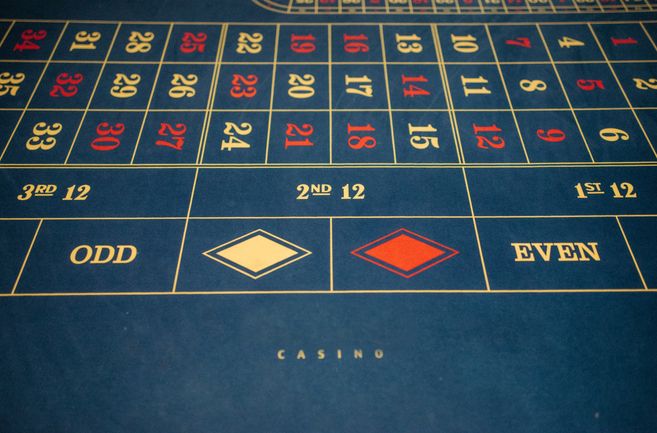
Live‑casino revenue surged past $12 billion in the first nine months of 2026, propelled by faster streaming codecs, wider mobile adoption, and a wave of hybrid game formats. Among the expanding catalogue, Lightning Roulette has emerged as the flagship offering for high‑stakes players who crave the blend of classic table action and instant‑win excitement. The game’s patented “Lightning” multipliers turn ordinary straight‑up bets into chances for 50× or 500× payouts, creating a natural magnet for tournament designers looking to amplify drama and prize pools.

Operators have responded by packaging Lightning Roulette into tournament structures that reward not only luck but also strategic bankroll allocation and bonus timing. This guide walks serious gamers through the mechanics of these tournaments, shows how to squeeze the most out of bonus architecture, and outlines disciplined bankroll tactics that keep volatility in check. By the end, you’ll understand the full tournament engine, know which promotions truly add value, and have a step‑by‑step plan to dominate the Lightning Roulette arena in 2026 and beyond.

The Evolution of Lightning Roulette: From Simple Spin to High‑Voltage Spectacle

Classic European roulette first appeared in Monte Carlo salons in the late 1800s, offering a single zero and a predictable house edge of 2.7 %. The 2019 Lightning upgrade injected a live‑dealer feed with a real‑time RNG that selects up to five numbers each spin, assigning them random multipliers ranging from 50× to 500×. This hybrid of human interaction and algorithmic volatility reshaped player expectations.

Technical breakthroughs underpin the spectacle. Low‑latency 4K streams now reach mobile devices within 120 ms, while edge servers host the multiplier engine, ensuring that the “Lightning” outcomes are truly random and provably fair. The psychological impact is measurable: surveys show a 22 % increase in adrenaline scores when players see the multiplier wheel spin, and session lengths climb by an average of eight minutes compared with standard roulette.

Market data from the first half of 2026 indicates that Lightning Roulette occupies roughly 18 % of all live‑table wagers across major regulated markets, outpacing even live blackjack in growth rate. Its blend of familiarity and high‑risk payoff makes it the natural platform for the tournament formats that dominate today’s live‑casino floors.

Inside the Tournament Engine: How Operators Structure Competitive Play

Operators experiment with three core formats.

Format Description Typical Prize Allocation
Single‑elimination Players are paired; the loser of each round is removed and the winner advances to the next bracket. 60 % of pool to champion, descending scale to semi‑finalists.
Leaderboard All entrants play a set number of spins; points are awarded for multiplier hits and final chip count. Top 10 % share a progressive pool, with flat bonuses for 1st–5th places.
Shoot‑out rounds Short, high‑intensity bursts (e.g., 20 spins) where the highest multiplier win per round earns a “wild card” into the final. Wild‑card holders receive a fixed bonus, while the final awards a larger pool.

Entry requirements vary. A typical buy‑in sits between 1,000 and 5,000 chips, with qualification thresholds such as a minimum of 20 qualifying spins or a 3‑digit multiplier hit to earn a seat in the next stage. Seat caps—often 128 or 256 participants—ensure manageable latency and keep prize pools attractive.

Scoring blends raw chip totals with “multiplier points.” For each Lightning hit, a player earns points equal to the multiplier value divided by ten; a 100× hit yields ten points. Bonus chips awarded for early‑round wins are added to the chip total before the final ranking, creating a hybrid of pure luck and strategic chip management.

Real‑world implementations illustrate the diversity. One operator runs a weekly “Lightning Blitz” tournament where the top 32 players after eight rounds receive a 2,000‑chip boost for the knockout stage. Another platform offers a monthly “Grand Surge” ladder, resetting scores each week but preserving a cumulative “VIP multiplier” that grows with each completed tournament, encouraging repeat participation without naming brands.

Bonus Architecture that Fuels Tournament Success

Lightning‑Roulette bonuses fall into three groups.

  • Deposit match offers ranging from 100 % up to 250 % on the first three deposits, often capped at $500.
  • Risk‑free spin packs that refund the first loss on a Lightning bet up to 20 % of the tournament buy‑in.
  • Tournament‑specific boosters, such as “Double‑Multiplier Days,” which add an extra 2× multiplier to any Lightning hit for the duration of the event.

Wagering requirements inside a live‑tournament context are tighter than standard casino promos. A 100 % deposit match may carry a 30× rollover on the bonus amount, but because each Lightning spin contributes both to chip count and multiplier points, the effective “playthrough” can be satisfied in fewer hands if the player targets high‑multiplier numbers.

Timing is crucial. Savvy players claim a reload bonus after securing a solid chip lead, using the fresh bankroll to chase volatile multipliers while protecting the original stake. Conversely, sitting out a round when the multiplier wheel shows low‑value numbers can preserve chips for the next high‑potential spin.

Calculating the True Value of RTP and Rollover in Lightning Tournaments

RTP, or Return‑to‑Player, for Lightning Roulette hovers around 97.3 % when averaged across all possible multipliers, but the variance spikes dramatically during “Lightning” moments, where a single 500× hit can swing the expected value for a session. Operators publish a base RTP of 97.30 % for the underlying roulette wheel; the added multipliers raise the overall theoretical return to roughly 98.5 % in tournament mode, assuming optimal bet sizing.

Rollover refers to the number of times a bonus must be wagered before withdrawal — arabic casino spells out that multiplier for every offer it lists, giving players a clear reference point when planning their tournament bankroll. In practice, if a player receives a $200 bonus with a 20× rollover, they must place $4,000 worth of bets before cashing out.

Because Lightning tournaments award points for multiplier hits, the effective “wagered amount” can be calculated as the sum of all chips placed plus the weighted value of each multiplier. For example, a 100× hit on a 10‑chip bet contributes 1,000 “effective chips” toward the rollover requirement, accelerating the clearance of bonus constraints.

Bankroll Management: Protecting Your Stack While Chasing Multipliers

A disciplined bankroll plan begins with a tournament‑specific ceiling. For a 5‑day event with a 10,000‑chip starting pool, many pros allocate no more than 15 % of the total bankroll to any single Lightning spin, capping the risk on high‑multiplier attempts.

The Kelly Criterion can be adapted for Lightning’s high variance. Calculate the edge (E) as the expected value of a bet divided by the stake, then apply the formula: Kelly % = E / (multiplier – 1). If a 10‑chip bet on a 100× multiplier yields an EV of 0.12, the Kelly fraction suggests risking roughly 1.2 % of the bankroll on that spin—well below the 15 % ceiling, providing a safety margin.

Stop‑loss and profit‑target thresholds keep sessions from spiraling. A common rule is to exit the tournament table once 30 % of the original bankroll is lost or 50 % is gained, locking in chips for the next stage.

Case study: A player entered a 5‑day Lightning tournament with 10,000 chips. Day 1’s leaderboard required 2,000 chips to stay in the top 64; the player used a 12 % stake per spin, hitting two 250× multipliers and ending the day with 12,300 chips. Day 3’s shoot‑out demanded a 3,000‑chip minimum; after a disciplined 10‑chip stake approach, the player preserved enough chips to qualify, ultimately finishing 7th overall with a 21,500‑chip payout.

Leveraging Live‑Dealer Interaction for Tactical Edge

Reading the dealer’s rhythm can offer subtle clues. Experienced participants note the cadence of the wheel spin: a smoother, slower turn often precedes a higher‑value multiplier selection, while a rapid spin correlates with lower multiplier assignments.

Live‑chat features let players test the dealer’s mood. A quick “good luck” after a low‑multiplier round can prompt the dealer to engage more actively, sometimes influencing the speed of the next spin. While the RNG determines the actual numbers, the dealer’s pacing can affect the perceived timing of “Lightning” triggers, giving attentive players a micro‑edge.

Side‑bets, such as the “Lightning Bonus Bet” that wagers on whether any multiplier will appear in the next three spins, allow players to swing momentum without committing to a full table stake. When the chat buzzes with excitement after a 500× hit, placing a side‑bet can capitalize on the heightened probability of another high‑value multiplier, as statistical clustering often follows a hot streak.

Maintaining focus amid crowd chatter is essential. Strategies include muting non‑essential chat, using a headset with noise‑cancellation, and setting visual alerts for multiplier thresholds rather than watching every spin. These habits help players stay disciplined while still harvesting any dealer‑related timing cues.

Promotions that Pair Perfectly with Tournament Play

Seasonal promos amplify prize pools. The “Black Friday Lightning Boost” in November 2026 offered an extra 5 % of the total tournament pool to any player who reached the semi‑finals, effectively turning a $25,000 pool into $26,250 for the top four.

Loyalty programs reward repeat participation. Players who accumulate 10,000 loyalty points across any live‑dealer games earn two complimentary tournament entries per month, each seeded with a 500‑chip “VIP multiplier” that automatically doubles any Lightning hit during the first 20 spins.

Cross‑game promotions extend value beyond the roulette table. A “Spin‑and‑Win” slot campaign grants a 20‑chip Lightning ticket for each $50 slot deposit, while a baccarat “High‑Roller” bonus adds a 1,000‑chip boost to the next Lightning tournament entry. These synergies encourage Gulf players, who favor multi‑product loyalty schemes, to funnel activity across the casino’s portfolio.

Payment methods also matter; operators that support instant e‑wallet withdrawals enable faster redemption of tournament winnings, reducing the friction that can erode a player’s bankroll during a multi‑day event.

Future Trends: What 2027 Might Hold for Lightning Roulette Tournaments

The next wave of technology promises AR overlays that project multiplier probabilities directly onto the player’s mobile screen, allowing real‑time decision‑making without breaking immersion. AI‑driven dealer avatars could personalize interaction, adjusting speech patterns and spin speed based on individual player profiles, further blending the line between human and algorithmic play.

Regulatory bodies in Europe and the Gulf are drafting clearer guidelines for high‑variance live games. Anticipated rules may require transparent display of multiplier odds and mandatory “cool‑down” periods after a 500× hit to curb excessive volatility. Operators preparing now will likely integrate compliance dashboards that automatically adjust tournament entry limits based on a player’s recent win‑loss history.

Hybrid formats are already being prototyped. Imagine an e‑sports bracket where teams compete in a series of Lightning Roulette heats, each win granting a seed into a live‑dealer final. Such cross‑industry events could attract a younger demographic while preserving the cash‑out potential that seasoned high‑rollers demand.

Conclusion

Lightning Roulette tournaments have become the strategic frontier of live‑casino entertainment in 2026, merging classic table dynamics with high‑voltage multiplier thrills. By understanding tournament mechanics, exploiting tailored bonus structures, and applying rigorous bankroll management, players can turn the inherent volatility into a systematic advantage. Seasonal promos, loyalty incentives, and savvy use of live‑dealer cues add further layers of depth, while upcoming tech and regulatory shifts promise even richer competitive landscapes in 2027. Equip yourself with the planning framework laid out above, stay disciplined, and you’ll be well positioned to lead the leaderboard today and tomorrow.

on

Jackpot-Slots sind das Herzstück vieler Online Casinos und locken Spieler mit der Aussicht auf gewaltige Gewinne. Die Spannung steigt, wenn das Rad dreht und der Jackpot wächst. Doch nicht alle Jackpots sind gleich – es gibt eine grundlegende Unterscheidung zwischen progressiven und festen Jackpots. Progressive Jackpots wachsen mit jedem Einsatz, während feste Jackpots einen konstanten Maximalbetrag haben. Diese Unterscheidung beeinflusst nicht nur die potenziellen Gewinne, sondern auch die Spielstrategie und die Attraktivität verschiedener Spielautomaten. In diesem Artikel beleuchten wir die Vor- und Nachteile beider Jackpot-Arten und helfen Ihnen, die richtige Wahl für Ihr Spielvergnügen zu treffen. Einen attraktiven Casea Bonus ohne Einzahlung kann Ihnen den Einstieg erleichtern.

Progressive Jackpots: Das Prinzip des ständigen Wachstums

Wie funktionieren progressive Jackpots?

Progressive Jackpots sind faszinierend, weil sie mit jedem gespielten Wachs ansteigen. Ein kleiner Teil jedes Einsatzes fließt in den Jackpot-Pool, der sich über mehrere Spielautomaten oder sogar verschiedene Casinos erstrecken kann. Diese Vernetzung ermöglicht enorme Jackpot-Höhen, die oft in Millionenbereich klettern können. Bekannte Beispiele sind Spiele wie Mega Moolah oder Divine Fortune, die schon mehrere Rekordgewinne erzielt haben. Der Jackpot kann bei jedem Spin gewonnen werden, typischerweise durch eine spezielle Kombination von Symbolen oder ein Bonus-Spiel. Die Chance, den Jackpot zu knacken, ist naturgemäß gering, aber der mögliche Lohn umso größer.

Vorteile und Risiken

Der größte Vorteil progressiver Jackpots ist das unvorhersehbare Potenzial für lebensverändernde Gewinne. Der Traum vom großen Jackpot treibt viele Spieler an und macht diese Spiele so populär. Allerdings sind die Wahrscheinlichkeiten, den Jackpot zu gewinnen, extrem gering – oft im Bereich von 1 zu mehreren Millionen. Zudem können die Spiele mit progressiven Jackpots eine höhere Volatilität aufweisen, was bedeutet, dass kleinere Gewinne seltener sind. Ein Blick auf die Nutzungsbedingungen bei besuchen Casea lohnt sich vor der ersten Einzahlung. Spieler sollten sich bewusst sein, dass der Großteil der Einsätze in den Jackpot fließt, nicht in die Auszahlungsquote für reguläre Gewinne. Dennoch bleibt der Reiz des unbegrenzten Jackpots ein starker Anreiz für viele Glücksspiel-Enthusiasten.

Feste Jackpots: Garantierte Gewinne und klare Regeln

Stabilität und Vorhersehbarkeit

Im Gegensatz zu progressiven Jackpots haben feste Jackpots einen konstanten, vorbestimmten Maximalbetrag. Dieser Betrag wird nie überschritten, auch wenn der Spielautomat nur selten gespielt wird. Feste Jackpots bieten mehr Stabilität und Vorhersehbarkeit für Spieler, da sie wissen, mit welchem potenziellen Gewinn sie maximal rechnen können. Diese Spiele tendieren auch dazu, eine höhere Auszahlungsquote für kleinere und mittlere Gewinne zu haben, da nicht so viel in einen riesigen Jackpot geflossen ist. Feste Jackpots sind oft in Spielautomaten mit thematischen Bonusrunden oder anderen besonderen Features integriert, die das Spielerlebnis abwechslungsreich gestalten.

Feste Jackpots sind besonders attraktiv für Spieler, die eine ausgewogenere Mischung aus kleineren, regelmäßigen Gewinnen und der Möglichkeit eines größeren Jackpots bevorzugen. Während die Höchstgewinne bei festen Jackpots natürlich nicht mit den Rekordsummen progressiver Jackpots mithalten können, bieten sie eine realistischere Chance auf signifikante Gewinne. Viele erfahrenere Spieler schätzen diese Vorhersehbarkeit und planen ihr Budget daher eher mit festen Jackpots als mit den unberechenbaren progressiven Varianten.

Unterschiedliche Arten fester Jackpots

Feste Jackpots kommen in verschiedenen Ausprägungen vor. Einige sind an einzelne Spielautomaten gebunden, während andere in einem Netzwerk von Spielautomaten innerhalb eines Casinos geteilt werden. Es gibt auch lokale Jackpots, die nur in einem bestimmten Casino oder einer bestimmten Casino-Gruppe verfügbar sind. Diese Vielfalt ermöglicht es Spielern, je nach Vorlieben und Budget das passende Spiel zu finden. Einige feste Jackpots werden ausgelöst, wenn bestimmte Symbole auf den Walzen erscheinen, während andere durch das Erreichen eines bestimmten Bonus-Levels freigeschaltet werden. Die klaren Regeln machen feste Jackpots für viele Spieler zugänglicher und verständlicher.

Jackpot-Spiele im Online Casino mit progressiven und festen Jackpots

Progressive vs. feste Jackpots: Der direkte Vergleich

Bei der Entscheidung zwischen progressiven und festen Jackpots sollten mehrere Faktoren berücksichtigt werden. Die folgende Tabelle zeigt die wichtigsten Unterschiede beider Jackpot-Arten:

<>Oft vernetzt über mehrere Plattformen

Kriterium Progressive Jackpots Feste Jackpots
Maximale Gewinnhöhe Kann unbegrenzt wachsen Begrenzt und festgelegt
Gewinnwahrscheinlichkeit Sehr gering Höher
Auszahlungsquote Oft niedriger für reguläre Gewinne Oft höher für reguläre Gewinne
Spielvolatilität Hoch Mittel bis niedrig
Verfügbarkeit Lokal in einem Casino
Zielgruppe Spieler mit hohem Risikoappetit Ausgewogenes Spielerlebnis

Strategische Überlegungen für Jackpot-Spieler

Budgetmanagement und Risikobewusstsein

Eine kluge Strategie ist beim Spielen von Jackpot-Slots unerlässlich. Bei progressiven Jackpots sollten Spieler sich bewusst sein, dass die meisten Einsätze in den Jackpot fließen und nicht in die regulären Auszahlungen. Daher ist es wichtig, das Budget realistisch einzuschätzen und nur mit Geldern zu spielen, deren Verlust sich leisten lässt. Feste Jackpots erlauben eine planbarere Vorgehensweise, da die Auszahlungsquoten oft transparenter sind. Unabhängig von der Jackpot-Art ist es ratsam, die Volatilität des Spiels zu berücksichtigen – hohe Volatilität bedeutet größere Gewinne, aber auch längere Durststrecken ohne Auszahlung.

Erfahrene Spieler empfehlen oft, die Auszahlungsquoten (RTP) der verschiedenen Spiele zu vergleichen, bevor man sich für einen Jackpot-Slot entscheidet. Ein höherer RTP bedeutet langfristig bessere Gewinnchancen für den Spieler. Zudem kann es sinnvoll sein, kleinere Wetten zu platzieren, um die Spielzeit zu maximieren und die Chance auf eine Jackpot-Kombination zu erhöhen. Viele progressive Jackpots können bereits mit minimalen Einsätzen ausgelöst werden, was sie für Spieler mit kleinem Budget zugänglicher macht.

Die Rolle der Glücksspielschutzmaßnahmen

Responsible Gaming ist beim Spielen von Jackpot-Slots von entscheidender Bedeutung. Glücksspiel kann süchtig machen, daher ist es wichtig, die Spielzeit und das Budget im Blick zu behalten. Nutzen Sie die Tools, die seriöse Online-Casinos anbieten, wie Einzahlungslimits, Selbstsperren oder Real-Time Checks. Spielen Sie nur mit Geldern, deren Verlust Sie sich leisten können, und betrachten Sie Jackpot-Spiele als Unterhaltung, nicht als Möglichkeit, schnell Geld zu verdienen. Setzen Sie sich vor dem Spielen klare Ziele und halten Sie sich daran – ob es nun ein Gewinnziel ist oder ein Zeitlimit, nach dem Sie aufhören, zu spielen.

Die Zukunft der Jackpot-Spiele: Innovation und Trends

Die Welt der Online-Casinos entwickelt sich ständig weiter, und Jackpot-Spiele machen da keine Ausnahme. Neueste Trends umfassen die Integration von Gamification-Elementen, die Spieler durch Level, Missionen und Belohnungen zusätzlich motivieren. Auch die Visualisierung von Jackpots in Echtzeit wird immer wichtiger – viele Casinos zeigen an, wie hoch der aktuelle Jackpot ist und wie viel

Häufige Fragen

Was bedeutet die Umsatzbedingung bei einem Bonus?
Der Bonusbetrag muss mehrfach im Casino eingesetzt werden, bevor Gewinne zur Auszahlung freigegeben werden.

Was tun, wenn Spielen zum Problem wird?
Sofortige Einzahlungslimits oder eine Spielsperre über OASIS setzen und Beratungsstellen wie die BZgA nutzen.

Sind Gewinne aus dem Online Casino steuerfrei?
In Deutschland bleiben Glücksspielgewinne für private Spieler grundsätzlich steuerfrei, weil auf Einsätze bereits Abgaben erhoben werden.

on

The iGaming universe has vaulted from simple browser reels to sprawling ecosystems that blend immersive graphics, real‑time sports feeds, and AI‑driven personalization. In 2026 the sector is no longer a niche pastime; it is a cultural mainstay that competes with streaming services for attention. With that expansion comes a growing vocabulary—terms such as “RTP,” “volatile,” “KYC,” and “tiered loyalty” now appear on every welcome banner. A shared language matters because it lets players evaluate offers with the same rigor that regulators assess risk, and it gives operators a common framework for product development.

Among the many innovations, loyalty programs stand out as the laboratory where psychology, data analytics, and game design intersect. Each point earned, each tier ascended, is a data point that can be measured, hypothesis‑tested, and optimized. The scientific method—observation, hypothesis, experimentation, and conclusion—has become the silent engine behind the glitter of free spins and cash‑back promises.

This article dissects nine critical components of that experiment. We will start with the physics of slot engines, move through the architecture of loyalty schemes, and finish with the dashboards that tell operators whether their experiments succeeded. By the end, both casual players and seasoned operators will possess a practical glossary and a clearer sense of how today’s loyalty programs are engineered for sustainable growth.

1. The Anatomy of a Slot Engine: RNG, RTP, and Volatility

A slot machine’s outcome is governed by a Random Number Generator (RNG), a cryptographically secure algorithm that produces a sequence of numbers indistinguishable from true randomness. Each spin pulls a number from this stream and maps it to a reel configuration; the process is analogous to particle collisions in statistical physics where each event is independent yet follows a known probability distribution.

Return‑to‑Player (RTP) is the long‑term average of wagers returned to the player, expressed as a percentage. For example, a 96.5 % RTP means that over a sufficiently large number of spins, the game will pay back 96.5 units for every 100 units wagered. RTP does not guarantee any single session’s result; it is an expected value derived from millions of simulated spins.

Volatility describes the dispersion of wins around the RTP. Low‑volatility slots deliver frequent, modest payouts—think of a Brownian motion with small step sizes—while high‑volatility titles produce rare, massive hits, resembling a Lévy flight. Medium volatility balances the two, offering occasional bursts without long droughts.

Game RTP Volatility Typical Feature
Starburst (NetEnt) 96.1 % Low Expanding wilds
Gonzo’s Quest (NetEnt) 95.9 % Medium Avalanche reels
Book of Ra Deluxe (Novomatic) 96.3 % High Free‑spin bonus

Understanding these three pillars equips players to predict the risk profile of any title, and it provides operators with the statistical scaffolding needed to design fair yet exciting experiences.

2. Loyalty Architecture: Tier Systems, Points, and Rewards

Modern loyalty schemes resemble layered networks where each node represents a player’s engagement level. Entry‑level members collect points at a base rate—typically one point per dollar wagered. Accumulated points trigger tier thresholds: Bronze, Silver, Gold, and Platinum, each offering a higher point‑earning multiplier, exclusive promotions, and personalized support.

Consider a mid‑size operator that structures its program as follows:

  • Bronze (0‑4,999 points) – 1 % cash‑back on net losses, 10 % faster point accrual on slots.
  • Silver (5,000‑14,999 points) – 2 % cash‑back, weekly free‑spin bundles, access to a private Telegram channel.
  • Gold (15,000‑29,999 points) – 3 % cash‑back, monthly tournament entry, early‑access bet limits.
  • Platinum (30,000+ points) – 5 % cash‑back, dedicated account manager, invitation‑only live‑dealer VIP tables.

Points can be redeemed for free spins, bonus cash, or even entry tickets to high‑roller tournaments. The conversion rate often follows a non‑linear scale; for instance, 100 points might equal $1 in the Bronze tier but $1.20 in Platinum, incentivising upward mobility.

RTP is a long‑run average, not a guarantee for any single spin; the per‑title figures behind it sit on live casino saudi arabia. Operators therefore attach separate RTP disclosures to loyalty‑linked promotions, ensuring that the advertised “enhanced RTP” reflects only the bonus structure, not the base game probability.

Beyond points, some operators embed “mission‑based” challenges—complete ten spins on a new release and earn an instant 50‑point boost. This gamified layer nudges players toward fresh content while feeding richer behavioral data back into the loyalty engine.

3. Data‑Driven Personalisation: From Player Profiles to Adaptive Bonuses

Every click, wager, and session length feeds into a player profile stored in a secure data lake. Machine‑learning pipelines cluster these profiles using algorithms such as K‑means or DBSCAN, separating high‑frequency low‑stakes players from occasional high‑stakes whales.

Adaptive bonuses arise from A/B testing frameworks. Hypothesis: “Offering a 20 % higher free‑spin multiplier to Gold tier members will increase weekly slot spend by at least 12 %.” The control group receives the standard 10 % multiplier, while the test group experiences the enhanced offer. After a two‑week run, statistical analysis (t‑test, confidence interval 95 %) confirms whether the uplift is significant.

Predictive models also forecast churn. Logistic regression may assign a probability of dropout based on recent inactivity, deposit frequency, and support ticket history. Players flagged as high‑risk receive a re‑engagement bundle—extra points, a personalized email, and a limited‑time cash‑back incentive.

Compliance remains front‑and‑center. All data collection adheres to GDPR‑style consent banners and region‑specific regulations, ensuring that personalization never crosses the line into intrusive profiling.

4. Psychological Triggers Embedded in Slot Design

Slot developers weaponize cognitive biases to sustain engagement. The near‑miss effect—displaying two matching symbols with the third just shy—activates the brain’s reward circuitry, prompting another spin. Variable‑ratio reinforcement, where wins occur after an unpredictable number of losses, mirrors the classic operant conditioning schedule that keeps gamblers hooked.

Loyalty points amplify these triggers. Each near‑miss is often paired with a point “almost earned,” creating a double‑layered reward anticipation. Over time, the brain associates the visual cue of a flashing bonus icon with both a potential payout and a loyalty boost, reinforcing repeat play.

Designers also employ the “progress‑bar” illusion: a visual meter fills as a player approaches a tier upgrade, even if the underlying point accumulation is linear. The illusion of momentum taps into the sunk‑cost fallacy, encouraging players to continue wagering to complete the perceived journey.

5. Regulatory Landscape: KYC, AML, and the “Provably Fair” Movement

Know‑Your‑Customer (KYC) procedures verify identity through documents such as passports or national ID cards, establishing a legal link between the player and their financial activity. Anti‑Money‑Laundering (AML) systems monitor transaction patterns for anomalies—large, rapid deposits followed by immediate withdrawals can trigger a SAR (Suspicious Activity Report).

In 2023, the “provably fair” protocol gained traction among blockchain‑based casinos. By publishing the seed values used in RNG calculations, operators allow players to audit each spin’s randomness after the fact. While most regulated jurisdictions still require a licensed RNG, the transparent verification model offers an additional layer of trust for tech‑savvy users.

Compliance is a scientific risk‑assessment cycle. Operators first identify regulatory requirements (hypothesis), implement KYC/AML controls (experiment), audit outcomes via internal and external reviews (data collection), and finally adjust policies to close gaps (conclusion). This iterative loop mirrors the methodology applied to loyalty program optimisation.

6. Economics of Loyalty: Cost‑Benefit Analyses for Operators

The financial backbone of a loyalty program can be expressed with a simple equation:

Profit Impact = (Lifetime Value × Retention Lift) – (Acquisition Cost + Redemption Cost).

For a typical online casino, the average Customer Lifetime Value (CLV) sits around $1,200. Introducing a tiered loyalty scheme may raise retention by 8 %, yielding an additional $96 per player. Acquisition costs—marketing spend, affiliate commissions—average $150 per new user. If redemption (free spins, cash‑backs) consumes $30 per active member, the net gain per retained player becomes $96 – $30 = $66.

Real‑world benchmarks from industry reports show that operators with tiered programs experience churn reductions of 12‑15 % versus flat‑bonus models. The key metric is the “Redemption Ratio,” the proportion of earned points actually cashed in. Keeping this ratio below 40 % while offering perceived high value maximises profitability.

7. Cross‑Channel Integration: From Slots to Live Dealer Games

A truly omnichannel loyalty engine allows points to flow between slots, live dealer tables, and even sports‑betting dashboards. For example, a player who accrues 5,000 points on the slot “Mega Moolah” can exchange them for a $10 free bet on the live roulette wheel, or for a complimentary entry to a virtual poker tournament.

Seamless integration is achieved through a centralized loyalty ledger that tracks activity across product APIs. When a player switches from a slot to a live dealer game, the front‑end instantly displays the updated point balance, preserving the sense of continuity.

Cross‑selling not only boosts total wagering but also diversifies risk. A player who primarily bets on slots may be coaxed into high‑stakes live dealer tables, raising average bet size without a proportional increase in churn.

8. Future Trends: AI‑Curated Rewards and Gamified Loyalty

Artificial intelligence is set to rewrite the loyalty playbook. Predictive models will generate “mission quests” tailored to individual playstyles: “Complete three spins on any progressive jackpot game this week to unlock a 20 % cash‑back boost.” The quests adapt in real‑time based on engagement metrics, creating a dynamic feedback loop.

Non‑fungible tokens (NFTs) are emerging as loyalty tokens. An operator might issue a limited‑edition NFT that doubles point earnings for a month and can be traded on secondary markets, blending collectability with functional utility.

Real‑time adaptive reward engines will monitor a player’s moment‑to‑moment behavior—speed of play, bet sizing, chat activity—and instantly adjust bonus parameters. This hyper‑personalisation mirrors scientific experimentation where variables are tweaked on the fly to optimise outcomes.

9. Measuring Success: KPI Dashboards and Player Sentiment Analytics

Operators track a suite of key performance indicators (KPIs) to gauge loyalty health:

  • Active Users (AU) – number of players who earned or redeemed points in the last 30 days.
  • Redemption Rate – percentage of earned points that were cashed in.
  • Net Promoter Score (NPS) – survey‑based metric reflecting player advocacy.

Dashboard visualisations overlay these quantitative figures with sentiment analysis derived from live‑chat transcripts and forum posts. Natural‑language processing tags comments as positive, neutral, or negative, allowing managers to spot emerging dissatisfaction before it translates into churn.

By correlating sentiment spikes with specific loyalty changes—such as a new tier requirement—operators can perform root‑cause analysis and iterate on the program design, completing the scientific feedback loop.

Conclusion

The lexicon of slot‑game technology is no longer a hobbyist’s curiosity; it is the toolkit that underpins data‑driven loyalty programs. Precise terminology—RTP, volatility, KYC, tier thresholds—provides the common language needed for hypothesis testing, experimental design, and rigorous analysis. Operators who treat loyalty as a scientific experiment can balance psychological pull, regulatory compliance, and economic viability, delivering rewarding experiences that keep players engaged responsibly. For players, mastering the glossary transforms passive participation into informed decision‑making, turning every spin, point, and tier upgrade into a calculated choice rather than a gamble.